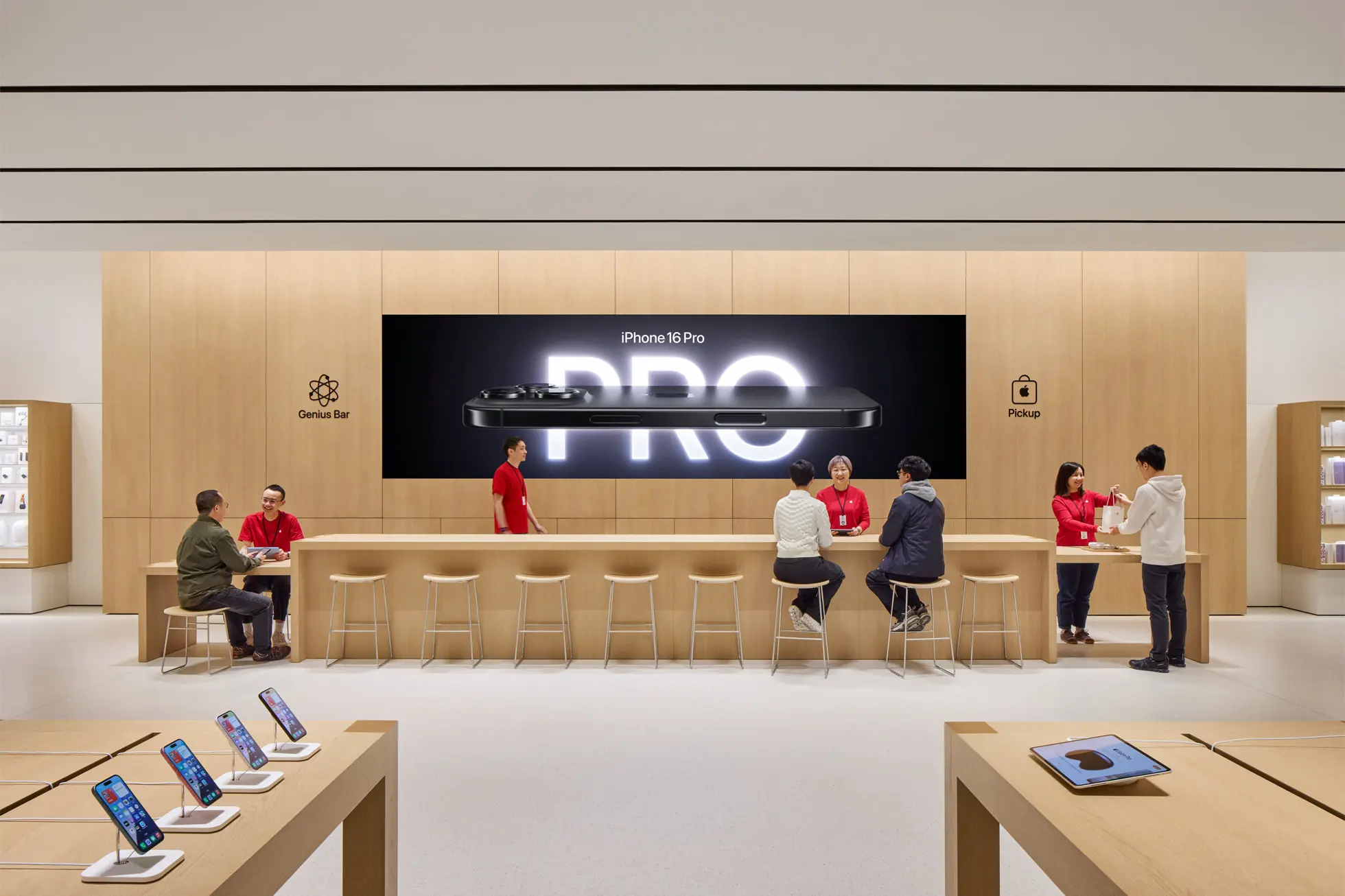
Pakistan is poised to welcome its first fully official Apple Store, with Airlink Communication announcing plans to open an outlet in Lahore by the end of 2025.
Store details
- The store will be located inside Dolmen Mall Lahore, one of Lahore’s major shopping complexes.
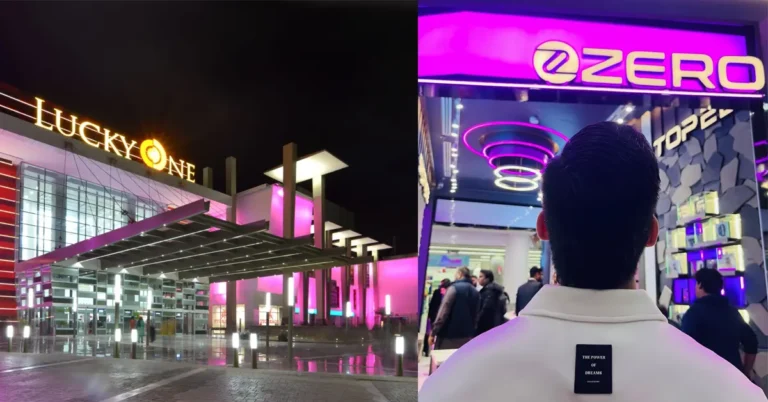
- It will “operate alongside” a Xiaomi retail outlet in the same mall.
- The announcement was made during Airlink’s recent corporate briefing, attended by broker firm Topline Securities.
- The timeline is “by end of 2025” rather than a specific date.
Background
In September of the previous year, GNEXT Technologies — Apple’s authorised distributor in Pakistan — selected Airlink as a “premium partner” to expand Apple’s formal retail presence in Pakistan.
The move is positioned to enhance access for Pakistani customers to the full Apple product range: iPhones, iPads, MacBooks, Apple Watches and accessories.
What we don’t yet know
- A precise opening date has not been confirmed — only “by end of 2025.”
- No official word (in the sources) on store size, staffing, after-sales service (Genius-Bar style support), or whether the store will be fully managed by Apple or via a local partner.
Implications for Pakistan’s tech retail market
Until now, Apple products in Pakistan have largely been sold via independent retailers or grey-market channels, often without official after-sales support or formal warranty structures. The official store could mark a shift toward more structured, certified retail.
The presence of a full Apple Store might also influence pricing, authenticity and service standards in the Pakistani market. As one piece noted: “No more iPhone over-pricing?”
Why this matters
For Pakistan’s fast-growing smartphone and tech market, an official Apple retail store is a significant milestone. It signals that global premium brands are confident enough in Pakistan’s consumer base and retail infrastructure to invest formally. For consumers, it promises potentially better access to genuine products, warranty and service support. For the broader industry, it may raise retail standards, formalise the supply chain further, and strengthen Pakistan’s position in global tech retail.